


How Frank Marino's 'Dragonfly' Became a Timeless Rock Classic 50 Years Later
How Frank Marino's 'Dragonfly' Became a Timeless Rock Classic 50 Years Later

Nina DerwinSun, August 2, 2026 at 12:26 AM UTC
0
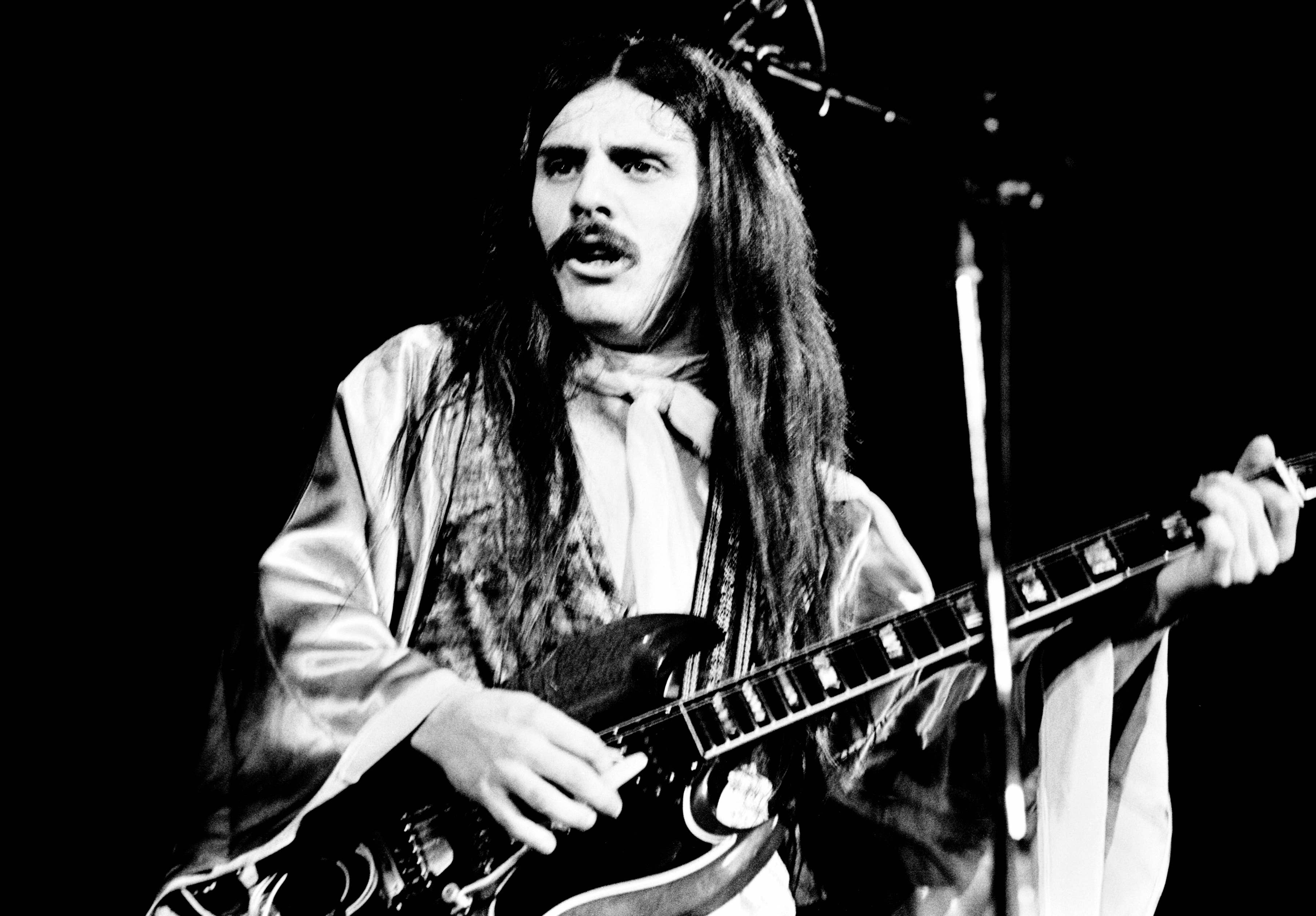
When Mahogany Rush released "Dragonfly" in 1976, the band was already earning a reputation for electrifying performances and fearless guitar work.
The song appeared on Mahogany Rush IV, with guitarist, vocalist, and songwriter Frank Marino just 21 years old at the time of its release. More than five decades later, "Dragonfly" remains one of the defining songs in Marino's catalog and a favorite among classic and progressive rock fans.
From its opening notes, "Dragonfly" showcased the qualities that made Marino one of rock's most distinctive guitarists.
"It was just a jam, really, like every other song," Marino told Hit Channelyears later. "Most of the songs that we did on the record, I would write the songs the night we went into the studio. I would never write the songs before. They were done for the first time when we would go into the studio and 'Dragonfly' was one of them."
Combining soaring melodies, blues-inspired phrasing, and psychedelic flourishes, the song balanced technical virtuosity with an emotional performance. Marino's expressive guitar playing became the centerpiece, helping establish "Dragonfly" as one of the standout moments on Mahogany Rush IV.
"People didn't know this, but Mahogany Rush wasn't a band name so to speak," Marino told Classic Bands. "In other words, it wasn't, 'Let's call the band this.' From the earliest days when I was jamming with people, even before the main guys that everyone knew in the '70s, I was always calling my music Mahogany Rush music. It was kind of a name of a description. It comes from something in my youth. Mahogany Rush was more of a description of a type of music that I was playing. A psychedelic kind of idea. It became the band name because all of a sudden we started recording and that's what it was called. It was never an intention, even before Jimmy [Ayoub] and Paul [Harwood] came with me, to call a band Mahogany Rush. In fact, Jimmy and Paul joined up with me at two different times and it was always Mahogany Rush before either of them got there. So then it became the name they put on the album."
"Dragonfly" also reflected the band's evolving sound.
Advertisement
While Mahogany Rush had built its early reputation on hard-driving blues rock, "Dragonfly" embraced a more expansive, atmospheric approach without sacrificing the energy that defined the group's live performances. The result was a song that highlighted Marino's versatility as both a guitarist and songwriter.
Although "Dragonfly" wasn’t a major chart single, it became one of Mahogany Rush's signature recordings and an underground hit that has endured the test of time.
The song gained a devoted following through FM radio and the band's relentless touring schedule, where Marino's extended live interpretations often became concert highlights. Over time, it has earned a reputation as one of the essential recordings in the Canadian rock pioneer's discography.
Marino's influence has continued to grow in the decades since.
Frequently praised by fellow guitarists for his fluid playing and improvisational style, he has remained a respected figure in rock music, with many fans citing "Dragonfly" as one of the best examples of his unique musical voice.
Fifty years after its release, "Dragonfly" continues to captivate listeners with its memorable melody and inspired guitar work. Recorded by a 21-year-old Frank Marino during the early years of his career, the song stands as one of Mahogany Rush's most enduring rock classics.
Related: 1975 Rock Song, With 19-Year-Old Singer, Became a Generational No. 1 Hit
This story was originally published by Parade on Aug 2, 2026, where it first appeared in the Entertainment section. Add Parade as a Preferred Source by clicking here.
Source: “AOL Entertainment”
