


How 7-on-7 football became one of the most powerful forces in high school recruiting
How 7-on-7 football became one of the most powerful forces in high school recruiting

Alex Martin, USA TODAYSat, August 1, 2026 at 3:00 PM UTC
0
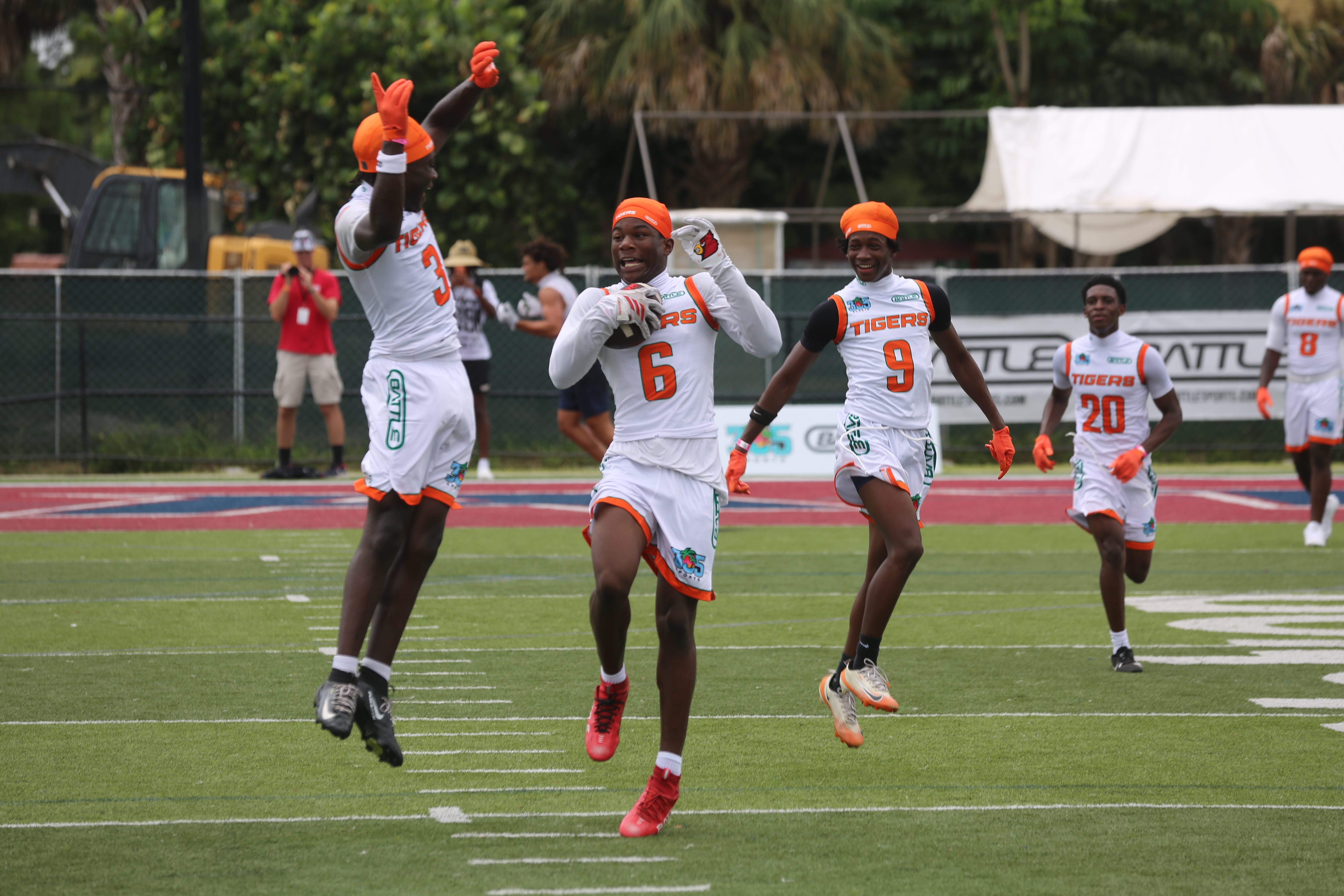
A decade ago, 7-on-7 football was still mostly what its name suggested: offseason work.
Regional teams. Regional tournaments. A month or two of quarterbacks throwing to receivers before everyone moved on to summer workouts and the fall.
However, over the past decade, 7-on-7 has expanded into national circuits, travel teams, televised events and a steady stream of social media coverage built around many of the country’s top quarterbacks, receivers and defensive backs.
For prospects who are not running track, it has become a fixture of the spring.
For college programs and recruiting services, it has become another layer of evaluation.
“It started off as something to do in the offseason, and it was regional teams and more regional tournaments,” said Andrew Ivins, who serves as the National Director of Scouting for 247Sports. “And now it’s exploded into this circuit that is all around the country, and you have these all-star teams of kids that are from all different states.
“It’s gone from one to two months to five to six months.”
The growth has pushed 7-on-7 closer to the AAU model that reshaped basketball recruiting: elite players moving from event to event, competing on loaded rosters in front of media, evaluators and a growing national audience.
The comparison is not exact. The 7-on-7 landscape is less regulated than AAU basketball and cannot reproduce the physical demands of tackle football. There isn’t a true pass rush. There are no linemen. Receivers are not being asked to block, and defensive backs are not being asked to tackle.
But the sport no longer has to replicate Friday nights to matter. Its value comes from what it can isolate.
A receiver who rarely sees press coverage during the season can be forced to beat man coverage snap after snap. A defensive back who spends the fall sitting in Cover 2 or Cover 3 can be asked to hold up one-on-one. A quarterback can show arm talent, accuracy, command and how he responds after a mistake.
“Tape is king,” Ivins said. “The game tape – what they do in pads – is the guiding star, and that serves as the foundation for the evaluation.”
How does 7-on-7 impact a player's recruitment?
These 7-on-7 tournaments are one piece of what Ivins described as a yearslong evaluation process that begins after a prospect’s freshman season.
While what happens in pads remains the focal point, the spring circuit gives evaluators something different: an early look at how a prospect has developed after months in the weight room, along with matchups against top competition in coverages and situations he may not encounter with his high school team.
It also puts a large pool of talent in one place. At a single event, analysts can evaluate players from Florida, Texas, California, Nevada and Virginia. College coaches cannot attend, but Ivins said they routinely contact evaluators afterward to ask who stood out and which prospects warrant more attention.
For some prospects, that exposure can accelerate a recruitment.
Ivins points to Alabama quarterback Keelon Russell.
When Ivins first watched Russell at the 7-on-7 event Battle Miami, the quarterback was committed to SMU and had not yet climbed into the top tier of his class alongside big time names like Bryce Underwood, Tavien St. Clair and Jaron-Keawe Sagapolutele.
“You watched a few games, and you’re like, ‘Whoa, OK, the ball has not touched the ground at all,’” Ivins said. “We wrote about him and we moved him up in our rankings.”

Russell’s ascent eventually took him far beyond that weekend. He flipped from SMU to the Crimson Tide, won Elite 11 MVP honors, was named Gatorade’s National High School Football Player of the Year and finished as a 5-star prospect out of Duncanville (TX).
Now, he’s vying for the starting job in Tuscaloosa as a sophomore alongside senior Austin Mack.
“Does that rocket ship kind of leave the dock without that 7-on-7 exposure point?” Ivins said. “I don’t think so. Or it certainly would have been much later on.”
Exposure another key benefit to 7-on-7
Russell’s rise shows how 7-on-7 can accelerate an evaluation. Overtime Sports' spring football league, OT7, has helped give those performances a larger audience.
Hunter Mandel, senior vice president of football properties for Overtime Sports, first attended a 7-on-7 event in 2012 while working at Bleacher Report. At the time, he saw it largely as a content and access opportunity – a place to interview top recruits and watch them face competition they would not see during the regular season.
Advertisement
Years later, that experience helped Mandel and others shape OT7, which Overtime launched in 2022. Since then, their social media accounts have exploded, with nearly 900,000 followers on Instagram and over 2 million on TikTok, drawing nationwide interest. That growth led to a partnership with NBC Sports this year, which televised part of this summer’s tournament on NBC and Peacock.
“We really wanted to standardize it and make it more consumable for an average football fan,” Mandel said. “That’s why we created OT7.”
The result is a version of 7-on-7 designed not only for players and evaluators, but for viewers. Multiple cameras cover the field. Content teams can clip plays in real time. Social media accounts amplify performances almost instantly.
That machinery can turn one weekend, and sometimes one play for that matter, into a recruiting event.
Mandel cited Cam Coleman, who arrived at an OT7 event as a 3-star prospect and caught six touchdowns in a weekend. Shortly thereafter, Coleman was a 5-star prospect.
He also pointed to quarterback Ryan Rakowski, who began drawing Division I offers after emerging in OT7. Rakowski is entering his senior year at Palos Verdes (CA) and is committed to Nevada.
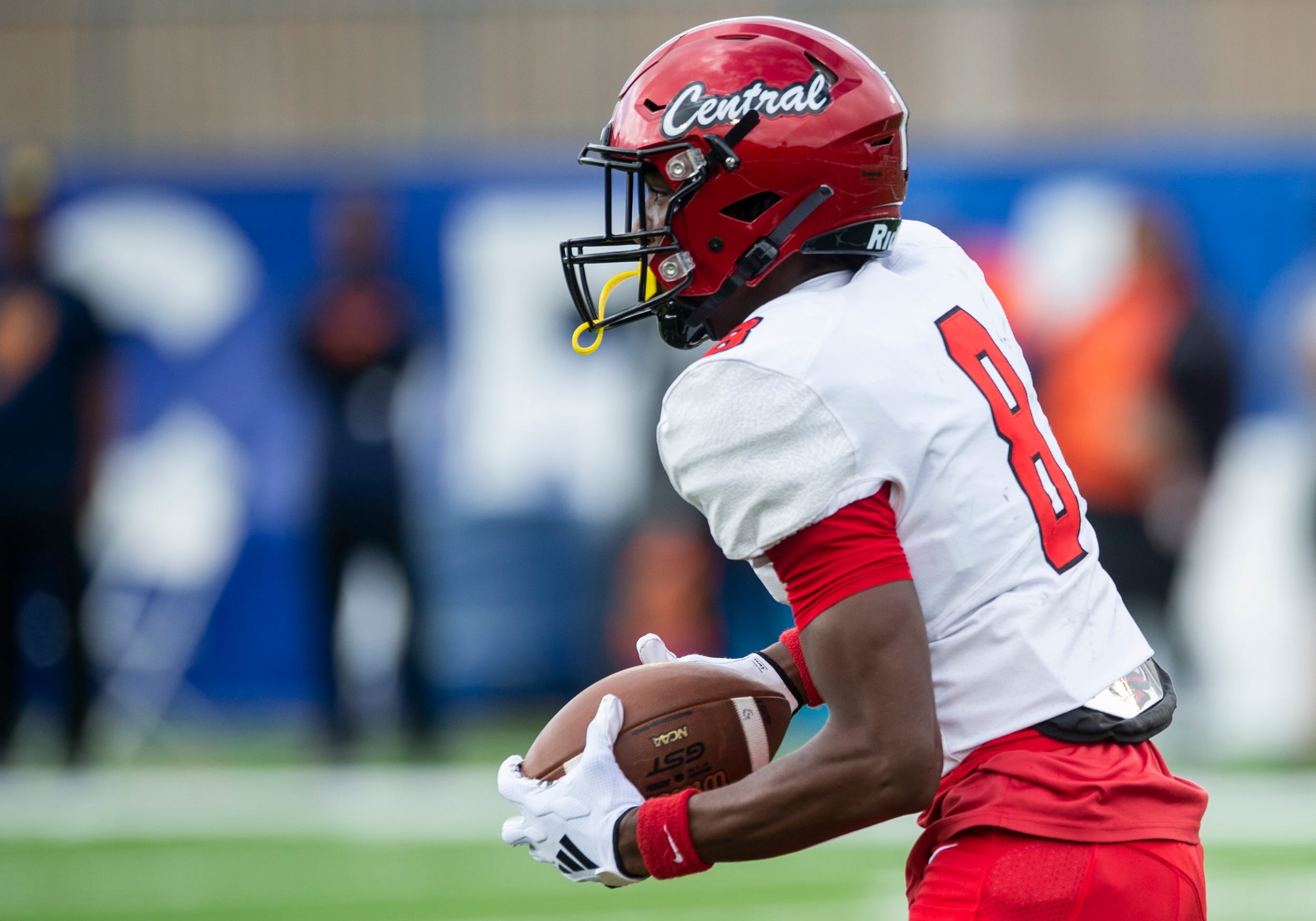
“We want the future faces of college football and the NFL to be playing and competing against each other,” Mandel said. “I don’t necessarily want just 4- and 5-stars. I want the coaches that have a part in this to look for the diamonds in the rough.”
That is where the modern version of 7-on-7 has separated itself from the old one. The competition matters, and the platform matters just as much.
“If you make a huge play, everyone’s going to know about it,” Mandel said. “If you make a huge play in Iowa, no one may ever hear about it.”
How do high school coaches view 7-on-7?
For high school coaches, that exposure has become part of the calculation.
West Boca Raton football coach Dylan Potts views the 7-on-7 calendar in two parts: From January through May, many players compete for travel programs. In June and July, high school teams take over, using the format to build chemistry and prepare for the fall.
West Boca, which enters 2026 having won back-to-back FHSAA state titles, often enters two teams in summer events, allowing younger players to face varsity competition while the program’s top group works together before preseason camp.
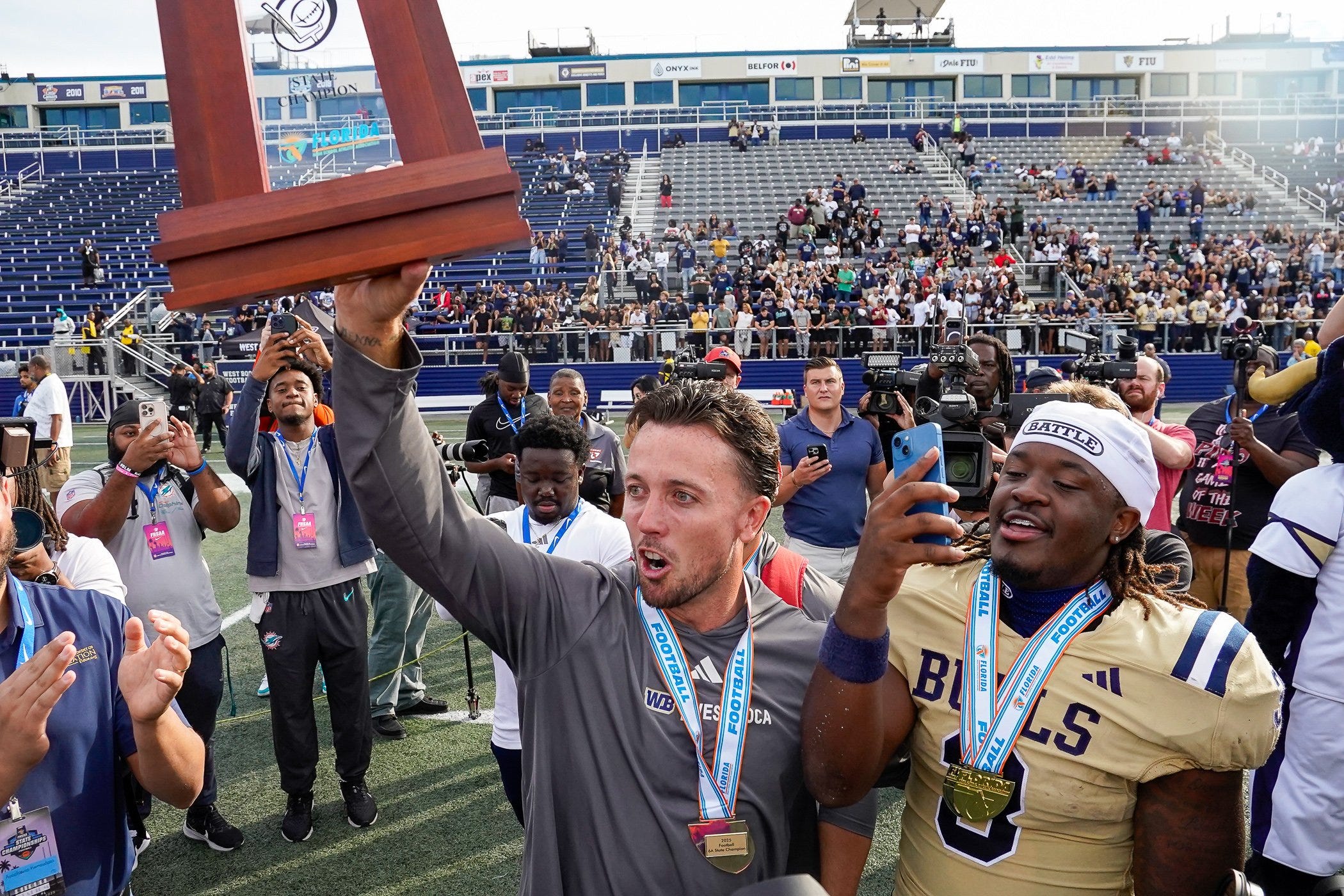
The tournaments also give coaches a chance to advocate for players who may not yet have a national profile. Between games, Potts can walk over to a recruiting analyst and point out a receiver with 800 yards, three years of varsity experience and only a handful of offers. That conversation is far less likely to happen during a district or playoff game.
“It gives us more of a personal relationship to kind of be able to help sell and get eyes on those guys,” Potts said. "The more and more media is involved with everything, it’s really turned into a great way for exposure for our kids.
"The more eyes you can get on your kids, the more eyes you can get on your program, the better.”
Potts still considers 7-on-7 a supplement. West Boca’s priorities remain the weight room, the run game and defense. But the format now serves several purposes at once: offseason development for players, another recruiting tool for coaches and another evaluation setting for those tracking prospects nationally.
What evaluators study extends beyond touchdowns, interceptions and one-on-one victories.
College coaches assess how quarterbacks respond to mistakes and how receivers and defensive backs carry themselves between plays. Ivins said evaluators look for catalysts, difference-makers and competitive traits that could translate beyond the spring.
“The alphas in that environment are alphas on Saturdays and Sundays,” Ivins said.
None of it replaces what happens in pads. Fall film remains the foundation, and one weekend of 7-on-7 does not determine whether a prospect will become a college star.
What has changed is how much more the spring and summer now factor into the process.
A decade ago, 7-on-7 occupied a small part of the offseason. Now, it can accelerate an evaluation and give a prospect a national audience months before his next high school season begins.
“We are trying to figure out the whole story,” Ivins said. “I think these exposure points are individual chapters in these guys’ journeys.”
Follow Sports Reporter Alex Martin on X at @NP_AlexMartin or via email: amartin@usatodayco.com. For additional high school sports coverage, be sure to follow @usatodayhss on Instagram and X.
This article originally appeared on USA TODAY: How 7-on-7 football became one of the most powerful forces in high school recruiting
Source: “AOL Sports”
