


Gulf oil is finally flowing again. But it might not stop a ‘terrifying’ winter
Gulf oil is finally flowing again. But it might not stop a ‘terrifying’ winter

Eir NolsoeFri, October 2, 2026 at 5:00 AM UTC
0
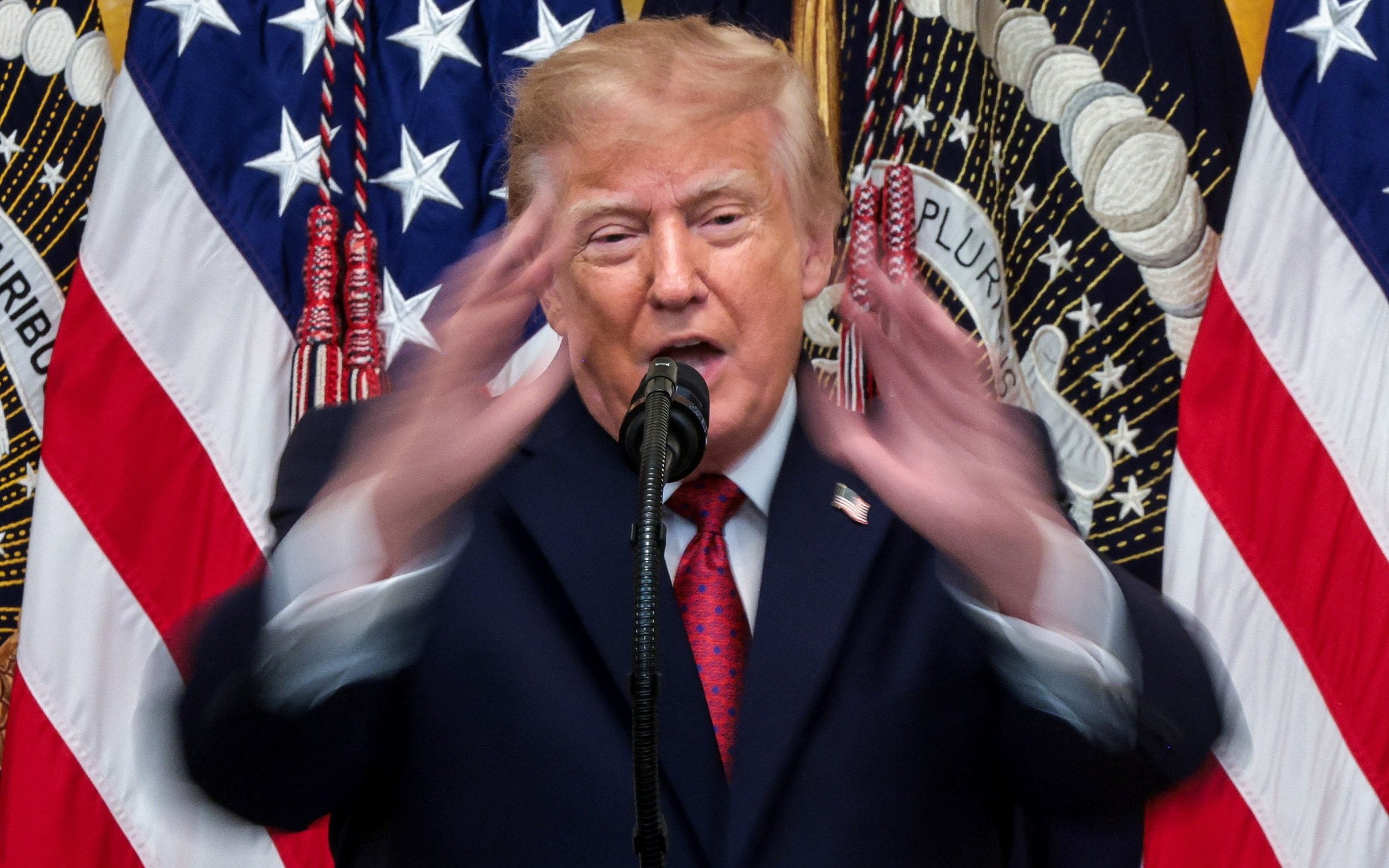
Despite the US president saying otherwise, Iran still has the power to hit Gulf oil infrastructure whenever it likes - Jonathan Ernst/Reuters
It sounds like good news.
For the first time since Donald Trump attacked Iran eight months ago, oil exports from the Persian Gulf are nearly back at pre-war levels.
This should herald a return to normality for the world’s bruised energy markets, in theory at least.
However, with a barrel of Brent still trading above $100, it seems optimism hasn’t yet fed into the markets – a worrying sign as Britain prepares for winter of soaring energy bills and possible diesel shortages.
Goldman Sachs revealed the extent of the Middle East’s oil recovery earlier this week by claiming that exports have hit 98pc.
This came after 23.3 million barrels of oil were shipped out of the region on average each day, on par with last year’s figures and at least 10 million barrels higher than in March.
The figures highlight how oil producers have effectively acclimatised to conflict in the region, either by finding ways to bypass the Strait of Hormuz or by relying on the US military for an escort.
Today, around 40pc of Gulf oil is exported without passing through the Strait, according to Kpler, compared to just 17pc before the conflict broke out.
Goldman Sachs struck an upbeat tone in a note released on Wednesday: “We estimate that the global oil market is roughly balanced in September.
“The remarkable adaptation of both Middle East supply and China import demand supports our base case that Brent prices moderate to $85 by year-end and to $80 in 2027.”
With the war in Iran still raging, this will serve as a glimmer of hope for a global economy starting to feel the strain.
Countries like Britain had been fearful of energy shortages this winter if global supplies fail to improve, threatening households with power cuts, higher interest rates and surging food prices.
This may all be avoided if Goldman’s prediction is right.
But not everyone is convinced, including oil traders who fear that hostilities between the US and Iran could escalate at any point.
“If oil exports carry on at these levels for, say, the next month, then I think we’ve got signs of optimism,” says Ashley Kelty, a research analyst at Panmure Liberum.
“Everyone wants to have good news because if you actually look at the reality of it all, you realise how terrifying this winter could be.”
Some have argued that growing oil flows out of the Middle East suggest Trump has the upper hand and is on the cusp of winning the war.
Others are less sure.
“In terms of the maritime picture, it’s clear that the Americans are enabling Gulf exports, and the blockade on Iran has had a material impact on its own exports falling to a fraction of pre-war levels,” says Darius Barik, at the Bourse & Bazaar Foundation.
“But that has come at great cost in terms of resources on the American side.”
Barik also points out that the level of Gulf oil exports can all change quickly dependent on Iran’s military appetite.
“Iran the capacity to strike regional energy infrastructure or US forces in the region,” he says. “It’s not clear that that has been diminished. Ultimately, it’s about who can absorb pressure for longer.”
He believes that many observers underestimate how much pain Tehran is willing to endure.
Importantly, allowing Gulf nations to export more oil also benefits Iran because it keeps their regional trading partners afloat, Barik adds.
“Beyond tolerating those flows, there’s a sense among the Iranian leadership that they can sustain the economic costs that come with the attritional war for longer than many might expect,” he says.
All of which paints a complex picture that has made even the most ardent oil analysts give up, with markets still racked by geopolitical confusion and uncertainty.
Advertisement
JP Morgan, the world’s largest investment bank, recently had to concede to clients: “For the first time since the start of the Iran conflict, we don’t have a baseline view.
“We simply don’t know how to model the endgame.”
As for the latest increase in shipments from the Middle East, this was boosted by resurgent exports from Saudi Arabia and the United Arab Emirates.
But analysts are still wary about whether this will ease pressure on the world’s economy.
For one, transporting oil barrels around the world has become excruciatingly expensive because of the war, fuelled by a new premium on safety.
This has propelled the tanker industry to the “highest profitability in its history”, according to analysis by Lloyd’s List.
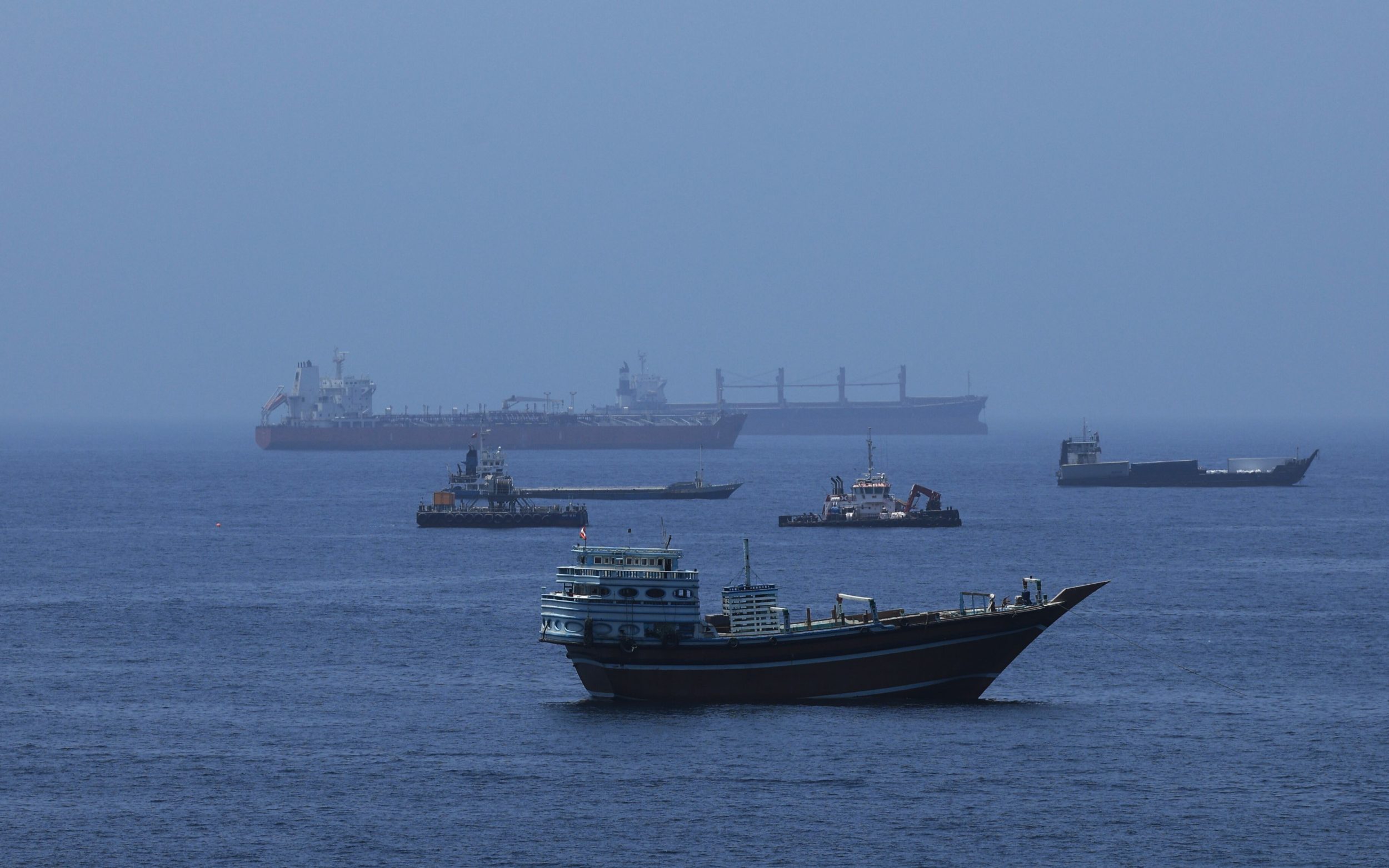
Tankers have founds ways to bypass the Strait of Hormuz since the war started - Anadolu
Greg Miller, of Lloyd’s, said this was unlikely to change regardless of whether the war de-escalates.
Manny Newman, at Onyx Commodities, adds: “It’s definitely a loading problem in the Middle East. The oil is there.
“It’s able to be loaded if it can be done safely. But logistically there’s just a huge cost to doing so at the minute. That’s being baked into the prices.”
The oil trader says the unpredictability is nearing levels at the start of the war, when she and her colleagues at the most extreme stayed in the office overnight taking power naps in sleeping bags.
“It feels like we’ve reverted to March/April times in terms of what’s going on with price action, the volatility and the market’s behaviour, but that can change again very, very quickly,” she says.
Unsurprisingly, many hedge funds are looking to exploit this volatility, with some deeming prices detached from the physical market.
This is particularly relevant when it comes to current pricing, which remains high despite exports returning to normality.
The cost of a barrel of Brent crude oil rose by 4.7pc to $102 on Thursday, up from lows of just under $60 at the start of the year.
These prices reflect futures contracts one month ahead, while the actual cost of securing oil on the spot market is at $120.
Kelty warns that if anything, there is too much hope priced in.
The actual constraints on the market mean prices should be even higher, he believes.
He warns that volumes may be rising, but many countries that have depleted their stockpiles will be rushing to replenish them.
‘Demand is going to help keep prices high’
There is also concern over the fact that exports of diesel and gasoline from the Middle East are still only at 58pc of pre-war levels.
“We’ve taken what 400 million barrels out of strategic reserves so far, plus whatever China and the like have used up, which they don’t disclose,” he says.
“That demand is going to help keep prices high, because everyone’s going to say we’ve got to replenish these stores for the next time there is a falling out between Iran and somebody.
“Everyone’s so desperate for good news that they’re not looking at the reality.
“The markets are seizing on any hints of good news. It’s probably the most divorced from the physical markets I’ve seen in a long time.”
This may spell trouble for Britain this winter when gas and electricity bills are poised to hit £2,000.
Andy Burnham warned of an energy crisis in the coming months, and said the Middle East conflict still “needs to command a lot of our attention”.
One can only hope the optimists are on to something if we are to avoid a “terrifying” winter.
Source: “AOL Money”
